







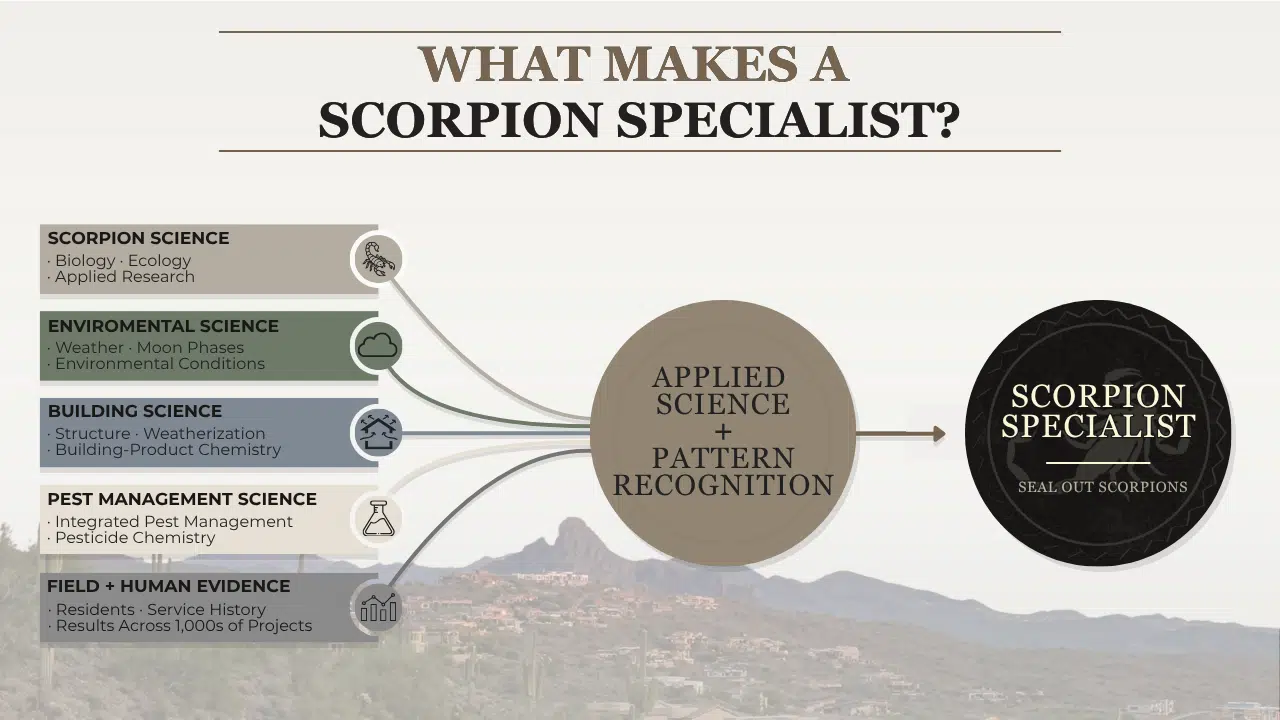
What Makes a Scorpion Specialist? A Pest Control License Is Not the Same as Specialization
The word specialist gets used a lot in pest control.
Search for scorpion control in Arizona and you will find scorpion specialists, scorpion experts, scorpion sealing specialists and specialized scorpion treatments everywhere.
But what actually makes someone a scorpion specialist?
That is a question Seal Out Scorpions has taken seriously since we began working specifically with residential scorpion problems in 1999.
There is no Arizona license for “Scorpion Specialist.” There is no scorpion-control degree, standardized certification program or industry examination that establishes someone as a specialist in Arizona bark scorpions.
Arizona licenses pest-management professionals within broader categories, including Industrial, Institutional and Structural Pest Control. The state requires applicators to meet licensing and testing requirements, but there is no separate scorpion-specialist designation.
That means the word specialist is largely left to the person or company using it.
To us, that is not enough.
A License Allows You to Practice. It Does Not Automatically Make You a Specialist.
Licensing is important. So is proper contractor licensing when structural and sealing work is being performed.
But credentials establish a person’s legal qualifications to perform certain work. They do not necessarily establish the depth of knowledge required to understand a difficult scorpion problem.
A pest-control license by itself does not tell us whether someone has extensively studied:
scorpion biology and ecology, bark-scorpion behavior, structural entry pathways, building science, landscape ecology, pesticide active ingredients, formulations, modes of action, environmental conditions, pest pressure, neighboring properties, seasonal behavior or the patterns found across thousands of residential cases.
The same applies to structural sealing.
Knowing how to caulk openings does not necessarily mean someone understands how a building functions, makeup of sealant products, how different assemblies connect, air pressure and leakage, how air and moisture move through a structure or which openings actually matter in a particular scorpion problem.
Even our Building Performance Institute training and contractor credentials do not, standing alone, make us scorpion specialists.
They are all pieces of a much larger discipline.
We Believe Specialization Begins With Studying the Scorpion
Before you can develop better scorpion control, you need to understand the animal you are trying to manage.
That led us into the scientific literature.
Among the authorities whose work helped build the scientific foundation available to people studying scorpions were researchers such as Herbert Stahnke, Ph.D., Gary Polis, Ph.D., Philip Brownell, Ph.D., Nancy McIntyre, Ph.D., Leslie Boyer, M.D., Dawn Gouge, Ph.D., and others.
Herbert Stahnke’s work at Arizona State University represents an earlier generation of foundational Arizona scorpion research. His involvement with Arizona scorpions extended back decades before SOS existed.
Gary Polis became one of the major authorities on scorpion ecology, including population and community ecology that we studied extensively. The Biology of Scorpions was one of our first most significant studies.
Philip Brownell’s work examined sensory ecology and orientation, helping explain how scorpions perceive and respond to their environment, which we also studied.
Their 2001 Oxford University Press volume, Scorpion Biology and Research, brought together research spanning sensory systems, orientation, physiology, behavior, reproduction, population ecology and other aspects of scorpion biology.
That science matters when you are trying to understand why an animal chooses one location over another.
But biology is only one part of a residential scorpion problem.
Then There Is the Neighborhood
In 1999, the same year Seal Out Scorpions began, Arizona State University researcher Nancy McIntyre published research examining the relationship between urban land use and reported scorpion stings across metropolitan Phoenix.
The research demonstrated something that today seems obvious after looking at thousands of properties:
scorpion pressure is not distributed evenly across Phoenix.
Some geographic areas consistently produced far greater numbers of reported scorpion encounters than others, and those patterns were associated with characteristics of surrounding urban land use.
That becomes extremely important when evaluating a house.
The scorpion problem does not necessarily begin at the wall of the home.
It may begin with the neighborhood.
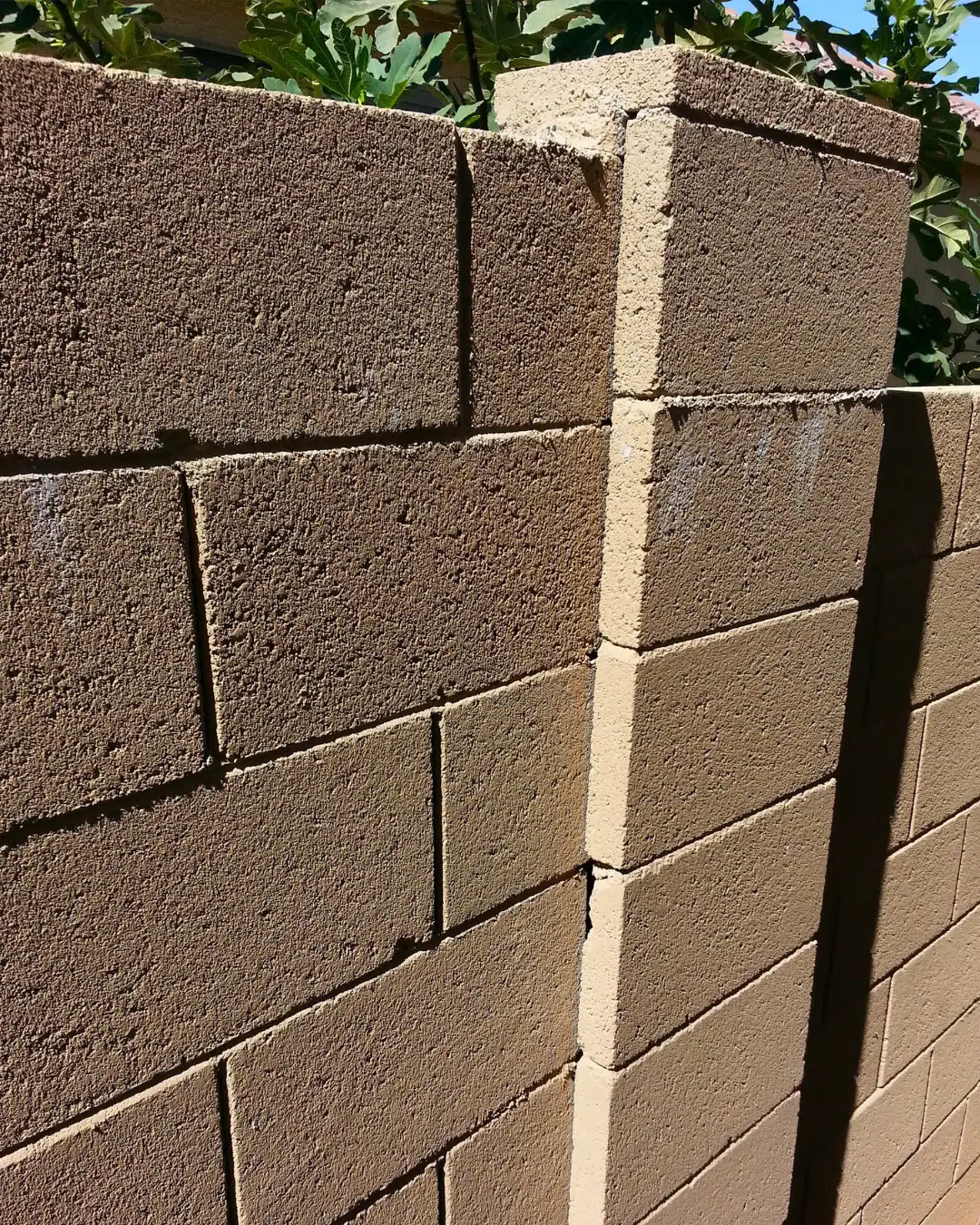
The wash behind the subdivision.
A block wall system.
An adjoining undeveloped property.
Mature vegetation.
Rock.
Irrigation.
Retaining walls.
Construction characteristics.
Neighboring properties.
An alley.
A golf course.
A mountain preserve.
She was a wealth of knowledge helping us understand that the problem was not the yard, it was the neighborhood environment.
We had to understand how that outside pressure interacts with the individual property.
The Property Tells Another Part of the Story
Two homes constructed from the same plans and similar landscape features can have completely different scorpion conditions.
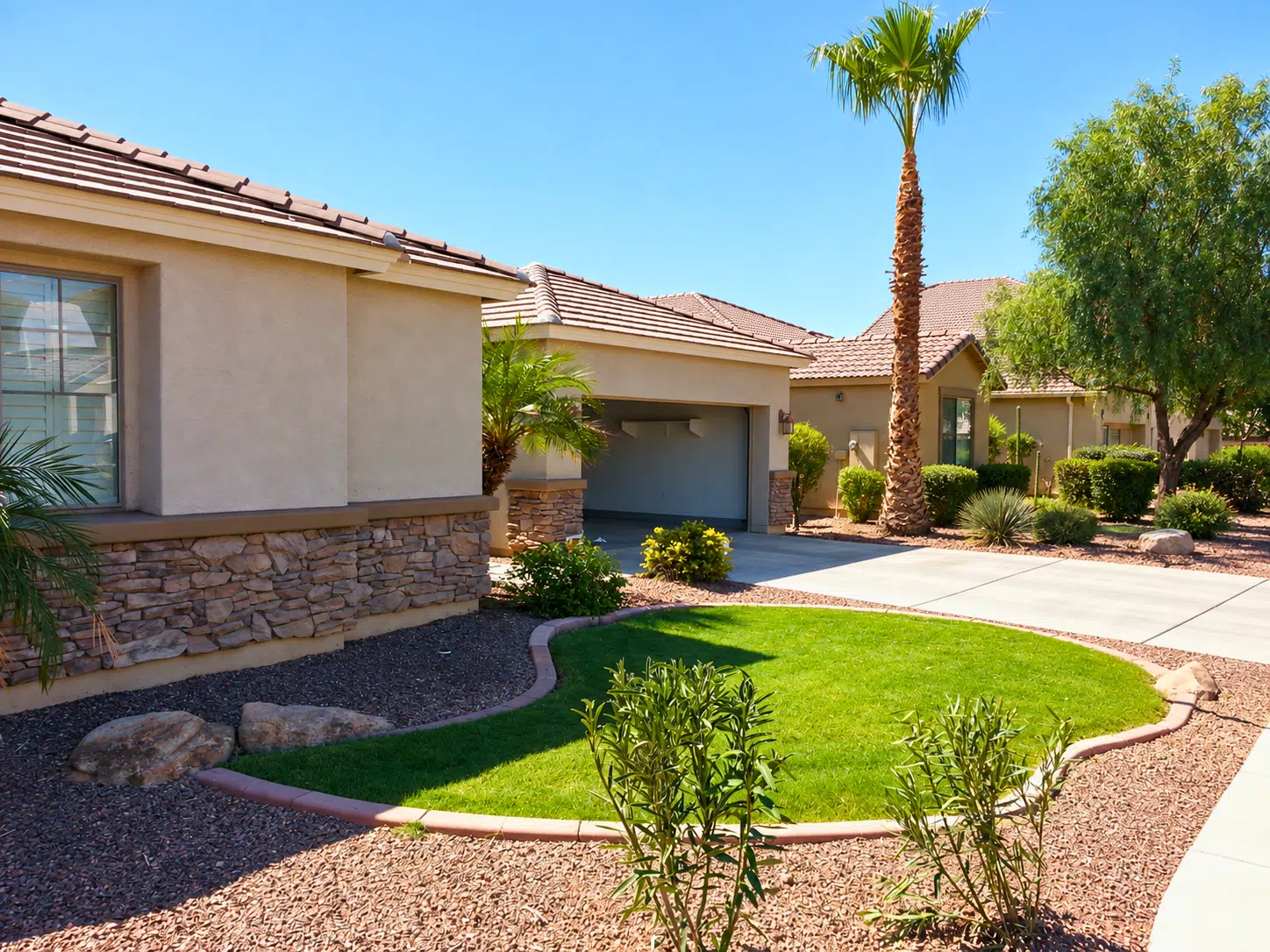
One may have almost none.
The other may have dozens.
Why?
That question cannot always be answered by looking at the structure alone.
We started studying the entire environment.
Where are the scorpions during black-light searches?
Adults or juveniles?
Front yard or backyard?
Along block walls?
In trees?
Around planters?
Near doors?
On the house?
In landscape features?
Around irrigation?
Under refuge?
What insects are present?
What does the adjoining property look like?
Where are scorpions being reported inside?
Ceiling?
Bathroom?
Bedroom?
Garage?
Exterior doorway?
Wall transition?
And what changes after treatment?
When those observations are repeated hundreds and eventually thousands of times, patterns begin to appear.
Specialization Means Going Outside at Night – Often in during different weather conditions
Scorpions are nocturnal.
So if you really want to understand them, you have to spend a lot of nights outside where they are most active.
We have performed hundreds of black-light searches under different conditions and on different types of properties and different environments.
We have looked at temperature, weather, season, moisture, landscape, moon phase, construction, population pressure, location and more.
We have searched highly infested properties and properties with very few scorpions.
We have observed them on block walls, trees, structures, rock, concrete, landscape features and around homes.
We have watched what happens during extreme heat and colder periods.
We have lived on scorpion-infested property and studied the patterns personally – both in and outside of the home.
You don’t learn much about residential scorpion pressure from a pesticide label or even a continuing education 60 min course or video.
Much of it has to be observed over and over and over.
Then We Had to Learn the Building
When a bark scorpion enters a house, biology intersects with building science.
That required another area of study.
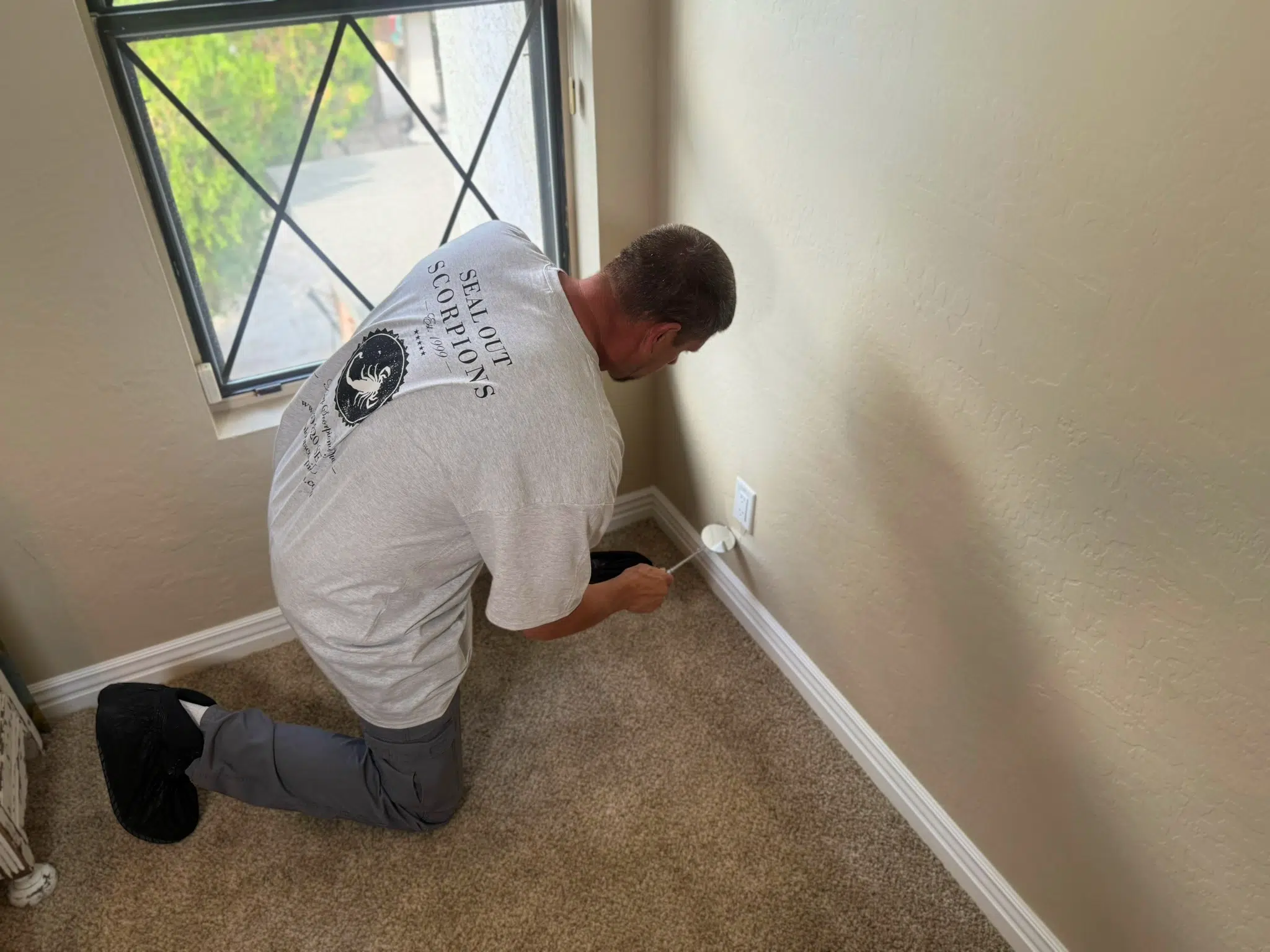
Our work expanded into Building Performance Institute education and building-science principles, with certified Building Analysts and additional building-performance and healthy-home education within our team.
We began studying homes differently.
Air movement.
Pressure relationships.
Moisture.
Wall assemblies.
Roof and ceiling interfaces.
Electrical penetrations.
Plumbing penetrations.
Cabinetry.
Millwork.
Doors.
Wall-to-floor transitions.
Exterior penetrations.
Construction gaps.
And the hundreds of small pathways that can connect outside conditions with interior living space.
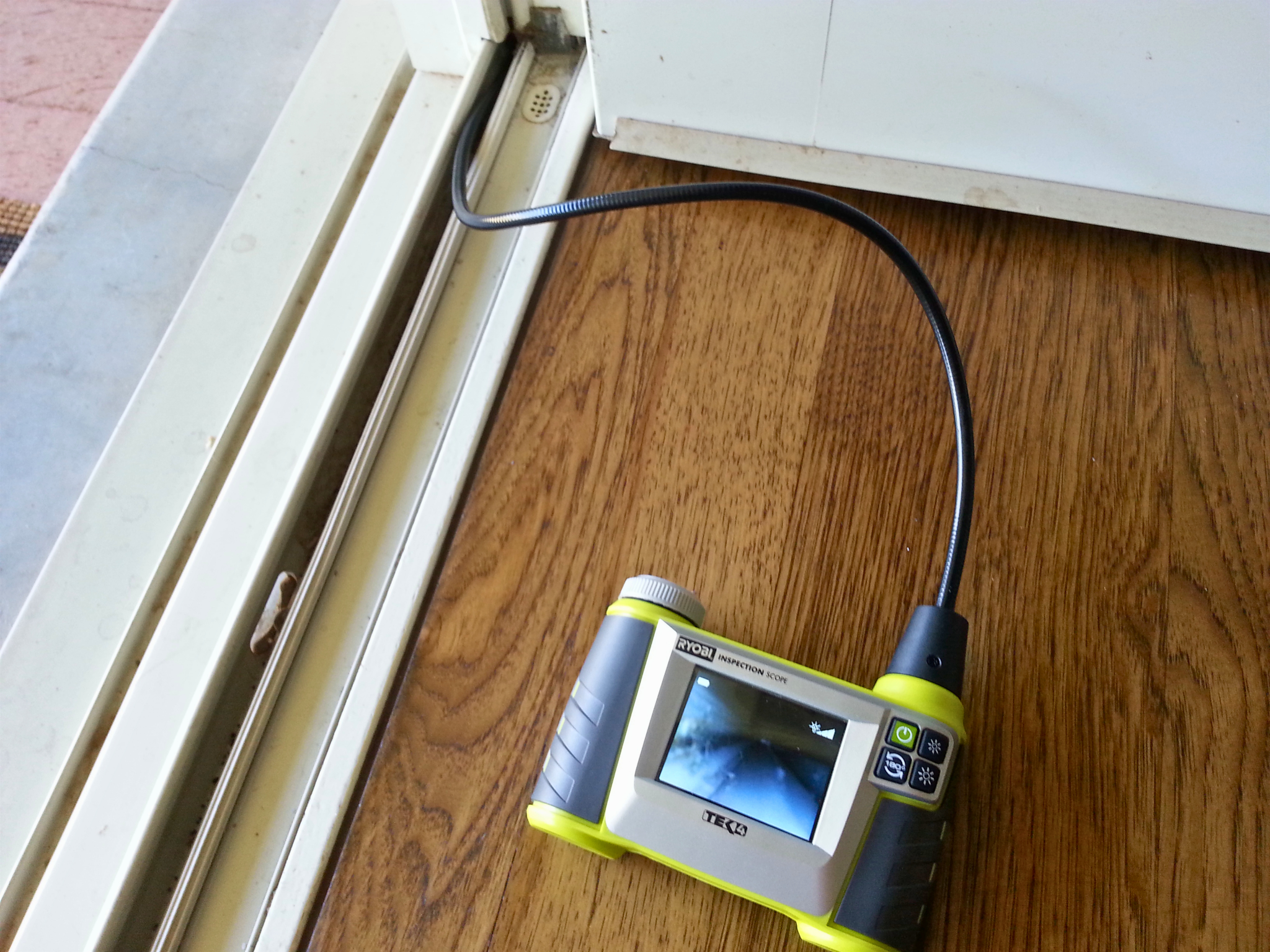
Structure, moisture gradient and airflow matter significantly. A scorpion sees and experiences a house or building differently than a resident does.
So should a scorpion specialist.
Pest Control Chemistry Is Another Discipline
Then comes pesticide science.
We do not believe every insecticide is interchangeable simply because scorpions appear somewhere on the label.
We study active ingredients, percentages, formulations and modes of action.
Liquid treatments.
Microencapsulated formulations.
Wettable products.
Dusts.
Foams.
Granules.
Repellency.
Residual characteristics.
Placement.
Environmental exposure.
Application methods.
And, just as importantly, we study what happens after those products are used in the field.
We have reviewed thousands of pest-control treatment histories and product selections on homes of numerous general pest services, where scorpions continued to be reported.
That is invaluable information that again shows patterns.
It does not mean a product is universally “good” or “bad.” It means the chemistry, formulation, placement and treatment strategy must fit the condition being treated in a specific environment for specific conditions in a specific method.
We often describe pesticides much like pharmaceuticals.
There are differences between a prescription treatment, an over-the-counter medication and a supplement.
Having a bottle of medicine does not mean you have diagnosed the patient correctly.
Pest management works much the same way.
The Pieces Are Usually Fragmented
This is what made scorpion control so challenging and interesting.
Science existed in pieces.
Scorpion researchers studied ecology, physiology, sensory systems and behavior.
Urban ecologists studied land-use patterns.
Medical researchers studied venom and envenomation.
Entomologists and IPM specialists studied pest-management strategies.
Pesticide manufacturers studied chemistry and formulations.
Building scientists studied structures, airflow, pressure and moisture.
Contractors studied construction.
Pest-control technicians learned mix and spray techniques.
Residents witnessed the history and patterns of what had happened inside their own houses.
But residential bark-scorpion problems sit at the intersection of all of them.
That is where applied science becomes important.
The job is to put the pieces together.
The House Is a Part of a Puzzle
When someone tells us they found a scorpion in a bedroom, that is not the entire diagnosis.
We want to know:
What house?
What neighborhood?
What construction?
What landscaping?
What is the surrounding environment?
What scorpion pressure?
What season?
What weather has occurred?
What pest-control products are being used?
At what concentrations?
At what frequency?
Where are they being placed?
What insects are present?
What structural sealing has already been performed?
Where are the remaining pathways?
Where are scorpions being found outside?
Where are they appearing inside?
How has the pattern changed over time?
When those pieces are assembled, what looked random often becomes much less random.
Arizona bark scorpions are not completely predictable.
But their behavior is not completely unpredictable either.
Patterns emerge.
Arboreal Scorpions Are Not Ground-Dwelling Scorpions
Even something as basic as recognizing behavioral differences matters.
The Arizona bark scorpion is remarkably capable of climbing and exploiting vertical environments and small crevices.
That changes the way we look at walls, trees, block fences, structures, rooflines and building pathways.
A strategy developed primarily around ground-dwelling pests can miss important parts of bark-scorpion behavior.
Again, specialization requires understanding the animal, not simply treating the category called “scorpions.”
Education Never Stops
Our study has also included Purdue University’s Urban and Industrial Integrated Pest Management education, publications and technical information from organizations including the Entomological Society of America, University of Arizona IPM resources, pesticide-label and manufacturer information, Building Performance Institute training and continuing study across pest management and building science.
University of Arizona researchers continue to publish practical IPM information on living with and managing scorpions, demonstrating why ongoing research and continuing education remain important.
There is always more to learn.
Anyone claiming to have completely solved scorpion behavior probably has not studied them long enough.
So What Makes a Scorpion Specialist?
There is no standardized definition.
So this is ours.
A Residential Scorpion Specialist is someone who studies scorpion control as a discipline.
It requires more than knowing how to spray for scorpions.
It means studying the animal biologically and behaviorally.
Studying its various environments.
Studying the property, landscape features, vegetation, micro-climates and the surrounding neighborhood.
Studying the building and understanding building science, airflow, thermodynamics and how this plays a part in scorpion and pest movement.
Studying the chemistry of both insecticides and sealant products. Studying how they interact with weather patterns, structure, groundscape.
Studying the previous treatment histories and the results or lack thereof.
Studying the seasons, the weather and the moon phases.
Studying the failures, successes, the cures, the preventions and the reoccurrences.
Going into the field, day and night, and verifying assumptions.
Documenting what happens and collaborating with others.
Listening to thousands of homeowner stories.
Looking for patterns and challenging assumptions.
Changing the hypothesis when the evidence does not support it.
And continuing to learn.
More Than 25 Years of Putting the Pieces Together

Seal Out Scorpions began in 1999 because there was not a clear residential standard for solving difficult Arizona bark-scorpion problems. Failures seemed more common than success for some properties and explanations were not known.
More than 25 years later, we are still studying them and we continue to learn as weather patterns change and what once worked so well, doesn’t. Treatments readjust and evolve as EPA bans happen, as homes are used differently, as home deliveries become commonplace and general pest control services pop up by the many and each property is treated differently.
We have serviced thousands and thousands of homes, many after homeowners had already gone through traditional pest-control programs, contractor or pest control grade sealing attempts, online recommendations and companies advertising themselves as scorpion specialists.
Those homes have taught us as much as our successes. Every failed treatment has information in it.
Every scorpion location tells us something. Every neighborhood adds another piece. Every structure adds another variable.
Over time, those observations began forming a larger framework for understanding what we call Pest Barrier Integrity.
The principle behind it is simple:
The Barrier System must be stronger than the pest pressure challenging it.
That barrier is not just general sealing barriers.
It is not just general pesticide barriers.
It’s not just landscape feature barriers.
It’s not just strategies.
It is the combined interaction of the neighborhood, property, landscape, building, pest-management strategy and people living in the home.
That is why we do not define specialization by a marketing claim.
We define it by the discipline required to understand the problem.
Study science. Study the structure. Study the environment. Study the field evidence. Document the results. Modify when needed. Treat with Healthcare Principles, not exterminating principles. Then put the pieces together.
That, to us, is what it means to be a scorpion specialist and we strive year after year to set the standard, develop the standard and share the standard ensuring results.
By Georgia A. Clubb, Advanced Scorpion Specialist, Founder of Seal Out Scorpions®
About Georgia Clubb & Seal Out Scorpions®
Seal Out Scorpions is led by Georgia A. Clubb, Advanced Scorpion Specialist, together with William L. Clubb and Michael C. Golleher — Certified Building Analysts and Envelope Professionals through the Building Performance Institute, with additional Building Science Certificates and studies in Urban & Industrial IPM through Purdue University. Their team includes licensed pest management and sealing specialists who pioneered Building Performance Sealing to solve scorpion problems at the structural level.