






Why Seal Out Scorpions Is More Effective & Why It Only Appears To Cost More
By Georgia A. Clubb, Advanced Scorpion Specialist, Founder of Seal Out Scorpions®
At first glance, Seal Out Scorpions can appear more expensive than other scorpion services. But when homeowners understand how scorpions actually enter homes, and what it takes to stop them, they often discover the opposite is true.
In reality, many homeowners spend hundreds or even thousands of dollars over time trying multiple pest control services or sealing attempts before finally finding a solution that works.
Over the years we have observed a consistent pattern:
- About 95% of homeowners who contact us have already tried pest control services, often multiple companies or years of treatments.
- About 40% of the homes we seal have already been sealed once or more by another company.
That means most clients come to Seal Out Scorpions after other approaches have already been attempted.
The reason is simple: many services address only part of the problem.
Seal Out Scorpions was built to understand and correct the entire system that allows scorpions to enter a home.
Why Most Scorpion Solutions Fail
Most scorpion solutions fail because they address only one part of the problem.
Pest control companies focus on chemicals. Contractors focus on sealing visible gaps. Homeowners often try a combination of both.
But scorpions enter homes through a system of structural pathways, environmental conditions, and pest activity that must be addressed together.
Seal Out Scorpions was built to understand that system and solve it.
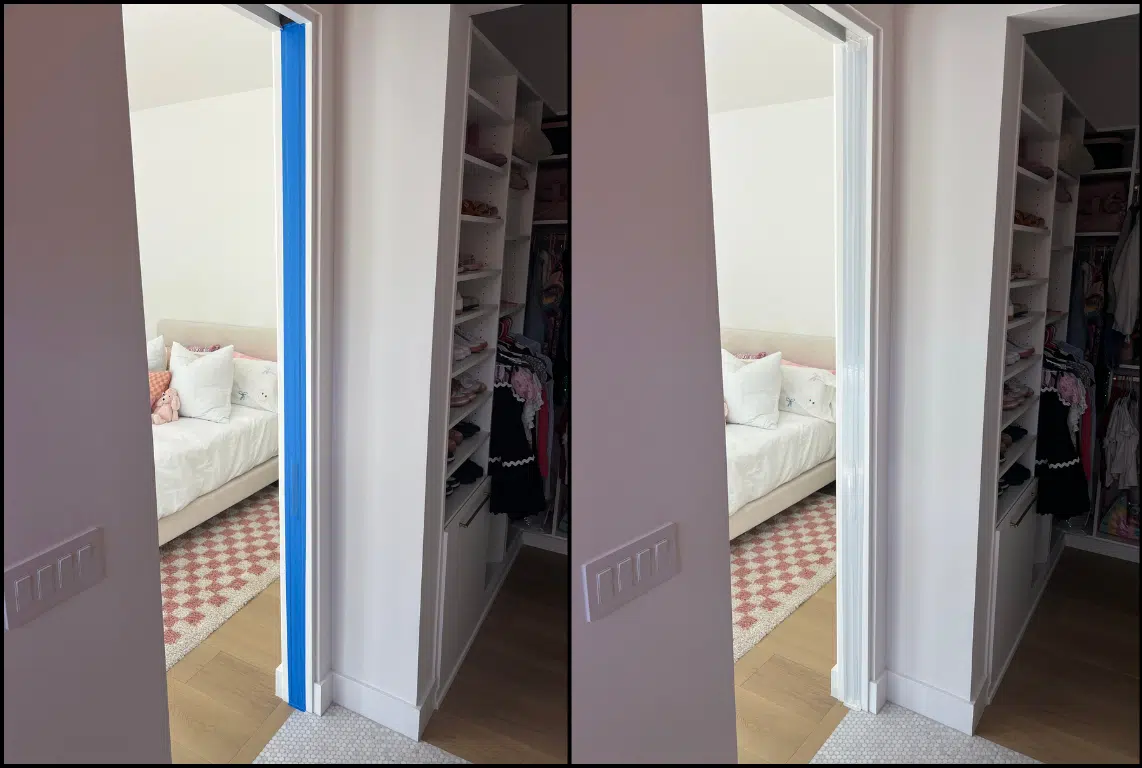
Pest Control Grade Sealing vs Contractor Grade Sealing
Many companies offer what could be described as pest control grade sealing or contractor grade sealing.
Pest control companies may seal a few obvious areas as part of a service. Contractors may seal visible gaps as a construction task.
Both approaches can help in some situations, but neither typically addresses the full system that allows scorpions to enter a structure.
As a result, homeowners often find themselves asking the same question again months or years later:
“Why do they keep getting inside the house?”
Seal Out Scorpions was built to answer and solve that question.
It Started With Applied Research
From the beginning, the goal was not simply to seal cracks or apply pesticides.
The goal was to understand the science behind why scorpions enter homes.
This work began with Applied Research and legitimate science-based methodologies.
The research involved studying:
- Scorpion biology and ecology
- Environmental conditions and prey patterns
- Weather cycles and activity patterns
- Structural building pathways
- Airflow and micro air leaks in buildings
- Chemistry of insecticides
- Chemistry of construction materials
- Integrated Pest Management principles
- Landscaping and environmental factors
- Neighborhood and property micro-climates
Much of this research happened in the field, late at night using black lights to observe scorpion activity directly.
Over the years this work involved reading scientific material, communicating with entomologists, working with chemical manufacturers, collaborating with pest control professionals, and guiding homeowners on pest control practices long before Seal Out Scorpions created its own pest management division in 2017.
Seal Out Scorpions was built by dedicated researchers who tested, refined, and pressure-tested every approach.
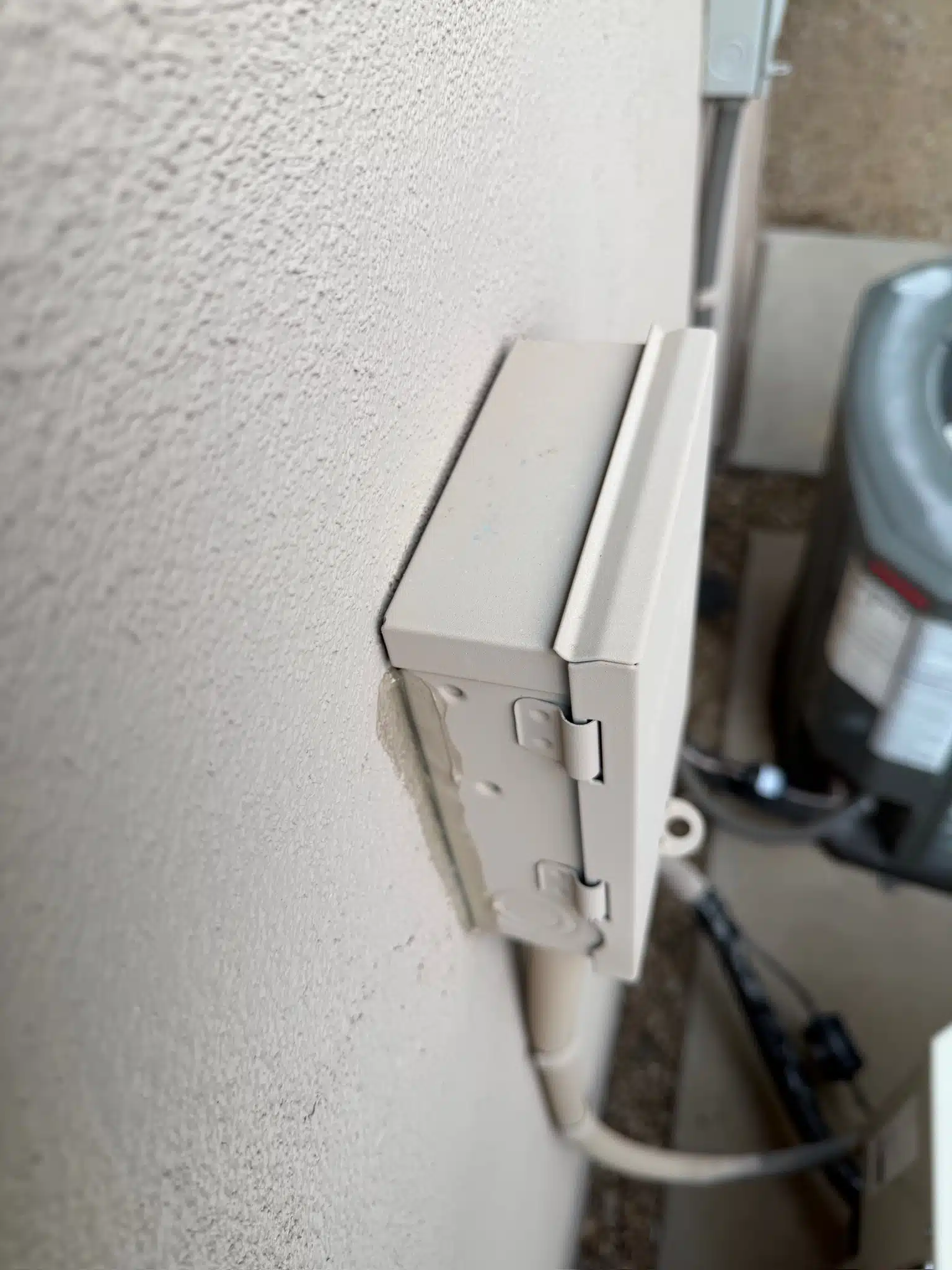
Hundreds of Entry Points
Most homes contain hundreds of tiny structural openings where pests can enter.
Some are obvious.
Many are not.
These pathways occur where building materials meet, drywall, framing, masonry, plumbing penetrations, electrical lines, roof transitions, and structural seams.
Scorpions cannot chew through building materials.
They follow pathways that already exist.
If those pathways remain open, they will eventually be used.
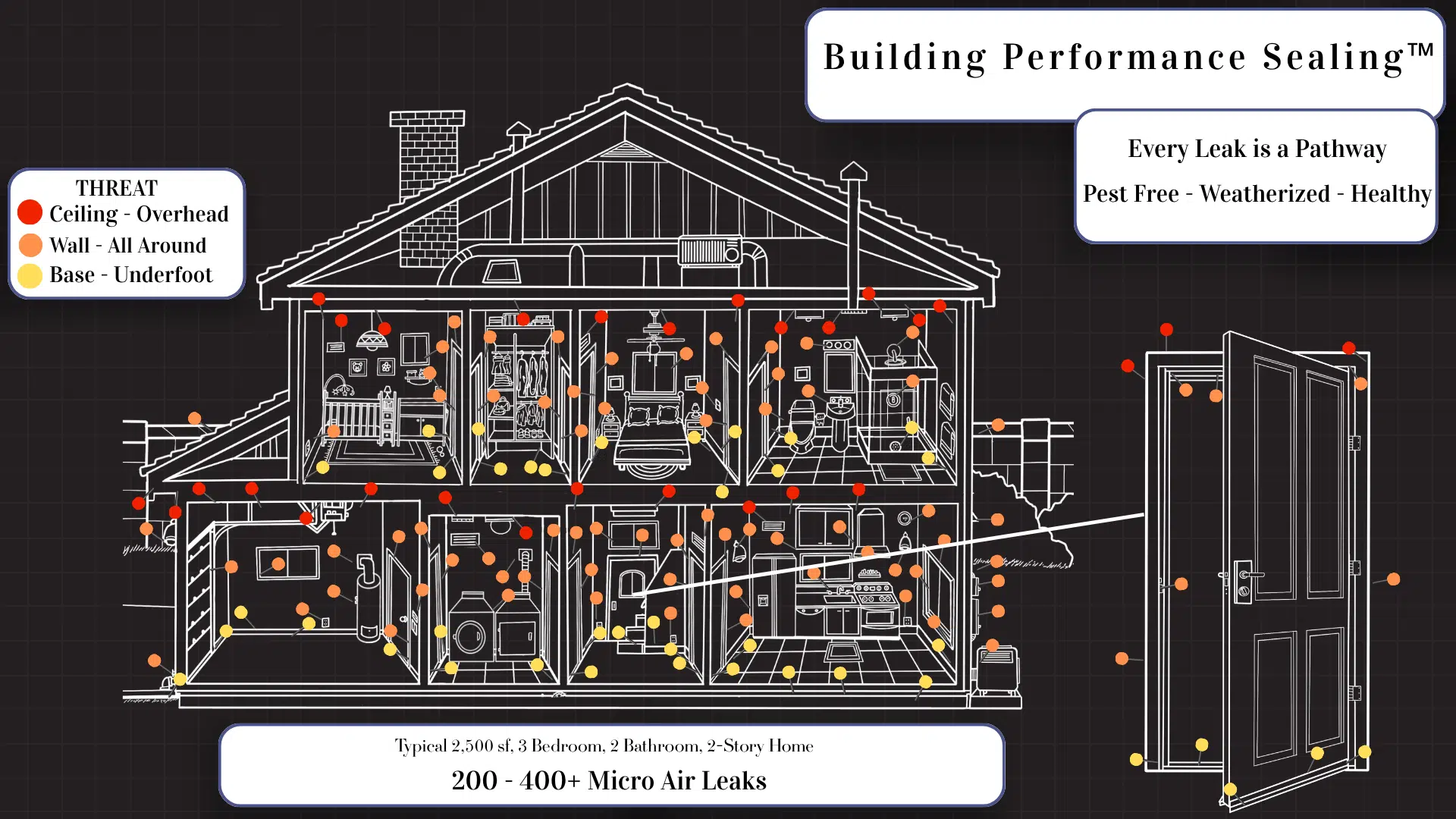
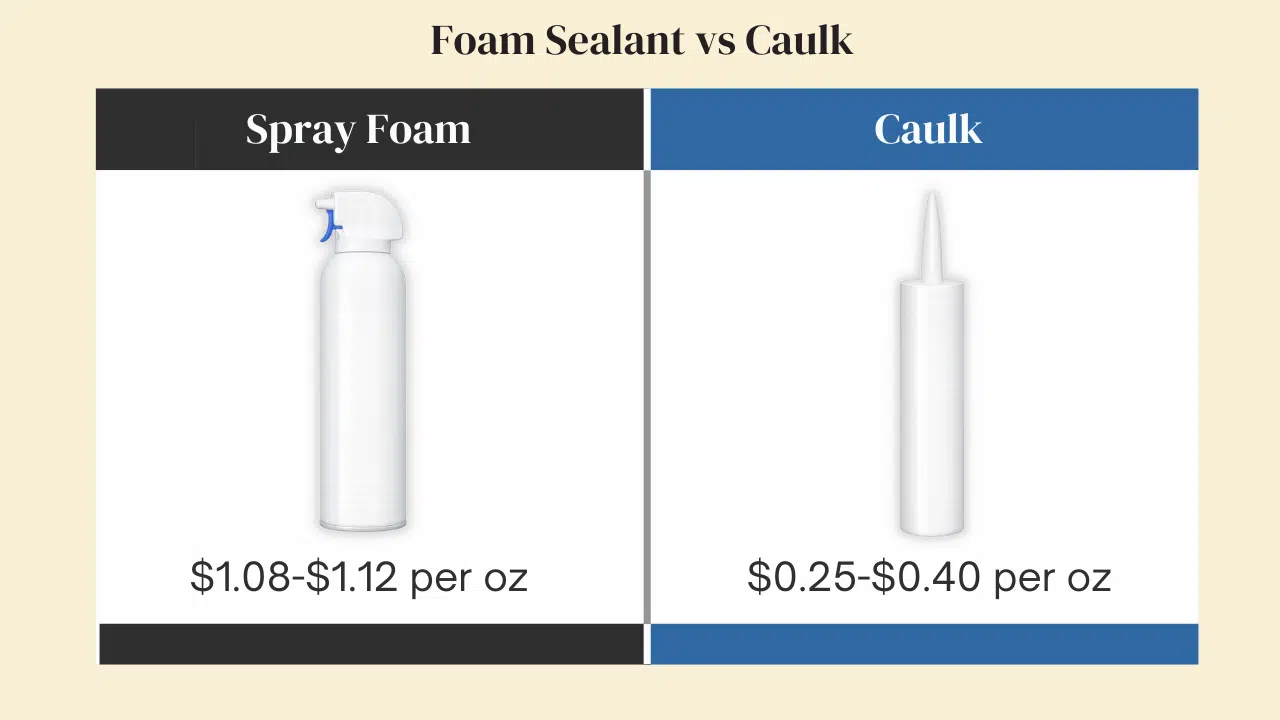
Foam vs Caulk & Why the Difference Matters
One example of the difference between sealing approaches is the materials used.
Most contractors seal gaps by running a surface bead of caulk.
Caulk is designed to bridge seams and finish joints, but it typically only seals the surface of a gap. The space behind the bead often remains hollow.
Our approach is different.
Instead of just covering the seam, we fill the void.
Using latex polymer foam allows the material to expand into the cavity, bonding to surrounding surfaces and occupying the entire pathway. This creates a three-dimensional seal rather than a thin surface bridge.
Over time, surface beads of caulk frequently separate or pull away due to movement between materials like drywall, metal, wood, or masonry. This can happen in days, weeks, months, or years, even in protected interior areas.
A filled void behaves differently.
Because the foam occupies the space and remains flexible, it moves with the surrounding materials rather than relying on a thin edge bond.
In simple terms:
- Caulk bridges the gap.
- Foam fills the pathway.
Filling the void creates a stronger, longer-lasting barrier and reduces the chance of the seal failing as the building naturally moves.
The materials themselves also reflect this difference. A can of high-grade latex polymer foam may cost $13, while a tube of caulk may cost $3.
When applied across hundreds of structural points in a home, that difference adds up, but the goal is durability and performance.
Pest Control Still Matters
Sealing alone is not the entire solution.
Pest control must support the structural barrier.
Understanding which products work, how they behave chemically, and how they should be applied is critical.
Many routine interior pest control treatments should actually be avoided because they treat symptoms rather than addressing how scorpions enter the structure.
Seal Out Scorpions follows Integrated Pest Management principles, focusing on targeted treatments that support the barrier rather than relying on routine spraying.
Barrier Integrity as a System
Seal Out Scorpions approaches scorpion exclusion as a Barrier Integrity System.
The structure, pest control strategy, environment, and homeowner participation must all align.
In many ways the process resembles how complex health conditions are approached in functional medicine.
Instead of treating only the symptom, the goal is to understand and correct the underlying causes.
The Role of the Homeowner
Solving a scorpion problem is often a partnership.
Homeowners play an important role in maintaining conditions around the property that discourage pest activity.
Landscaping, property maintenance, and environmental awareness all influence results.
When the structure, pest control strategy, and homeowner participation are aligned, results improve dramatically.
We Didn’t Just See the Problem, We Lived It
Seal Out Scorpions was not built only by observing the problem.
We lived it ourselves.
Our entire discipline developed by correcting the same fragmented approaches that homeowners, pest control companies, contractors, do-it-yourselfers, and even ourselves decades ago, commonly attempted first.
Because of that experience we have seen and lived virtually every version of these strategies and pressure-tested them in real homes and real environments.
It is rare today for us to hear something completely new.
But every day we continue asking the same question:
How do we elevate the work?
How do we provide solutions that are:
- more immediate
- more effective
- more durable
Why This Matters
When the science, structure, pest control strategy, and homeowner participation are aligned, the results can be dramatic.
Over the years clients have told us things like:
- “It was worth every penny. I feel safe now.”
- “Your technicians are more like caretakers disguised as contractors.”
- “This work saved our marriage.”
- “This is why we can stay in Arizona.”
- “I can finally sleep at night.”
These outcomes are the reason Seal Out Scorpions exists.
The Goal
The goal has never been simply to seal cracks or spray pesticides.
The goal is to remove the fear of scorpions entering the home.
When the science, structure, pest control strategy, and homeowner participation are aligned, the system works.
Get that right and in alignment…
That’s Seal Out Scorpions.
About Georgia Clubb & Seal Out Scorpions®
Seal Out Scorpions is led by Georgia A. Clubb, Advanced Scorpion Specialist, together with William L. Clubb and Michael C. Golleher — Certified Building Analysts and Envelope Professionals through the Building Performance Institute, with additional Building Science Certificates and studies in Urban & Industrial IPM through Purdue University. Their team includes licensed pest management and sealing specialists who pioneered Building Performance Sealing to solve scorpion problems at the structural level.